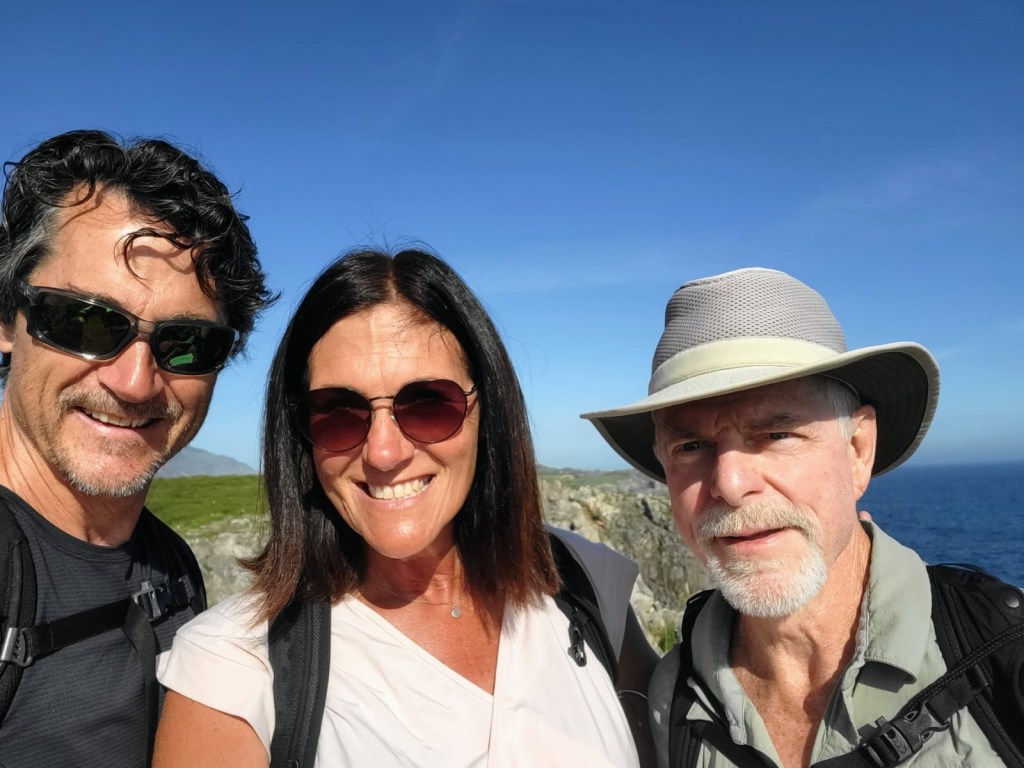
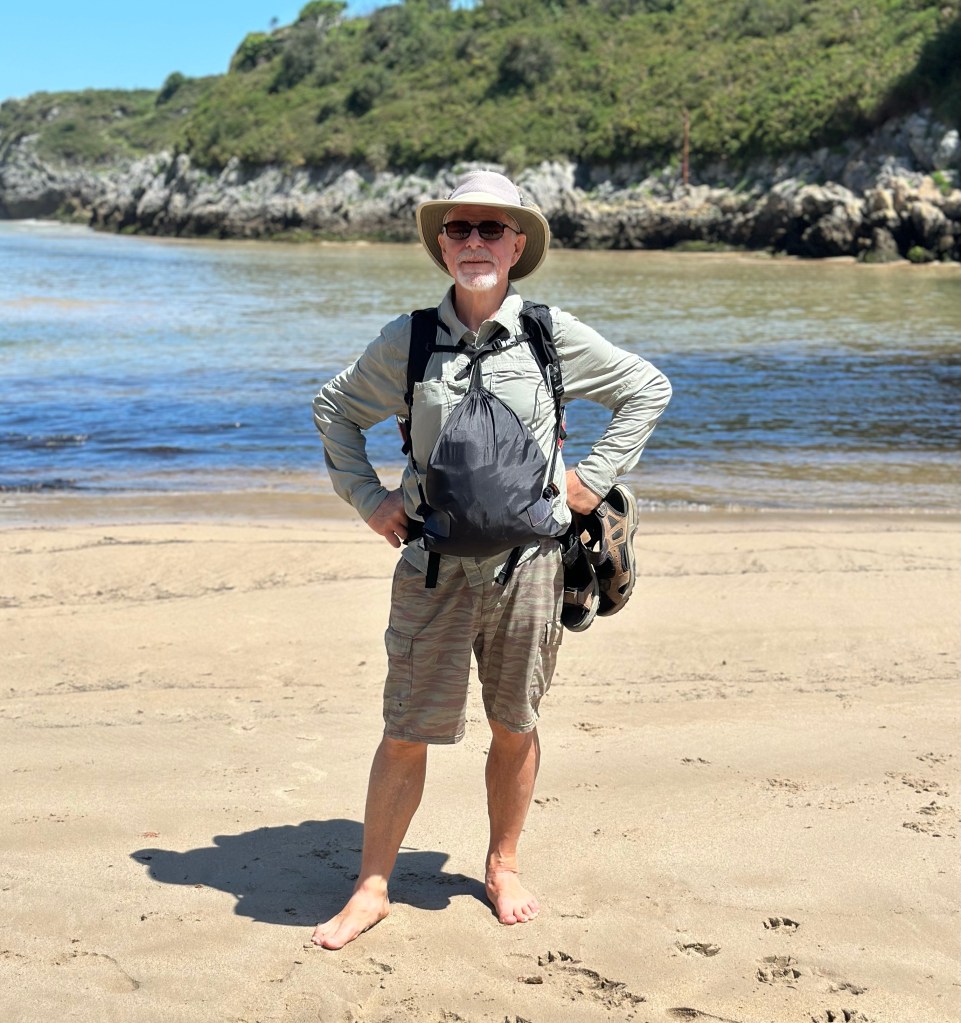
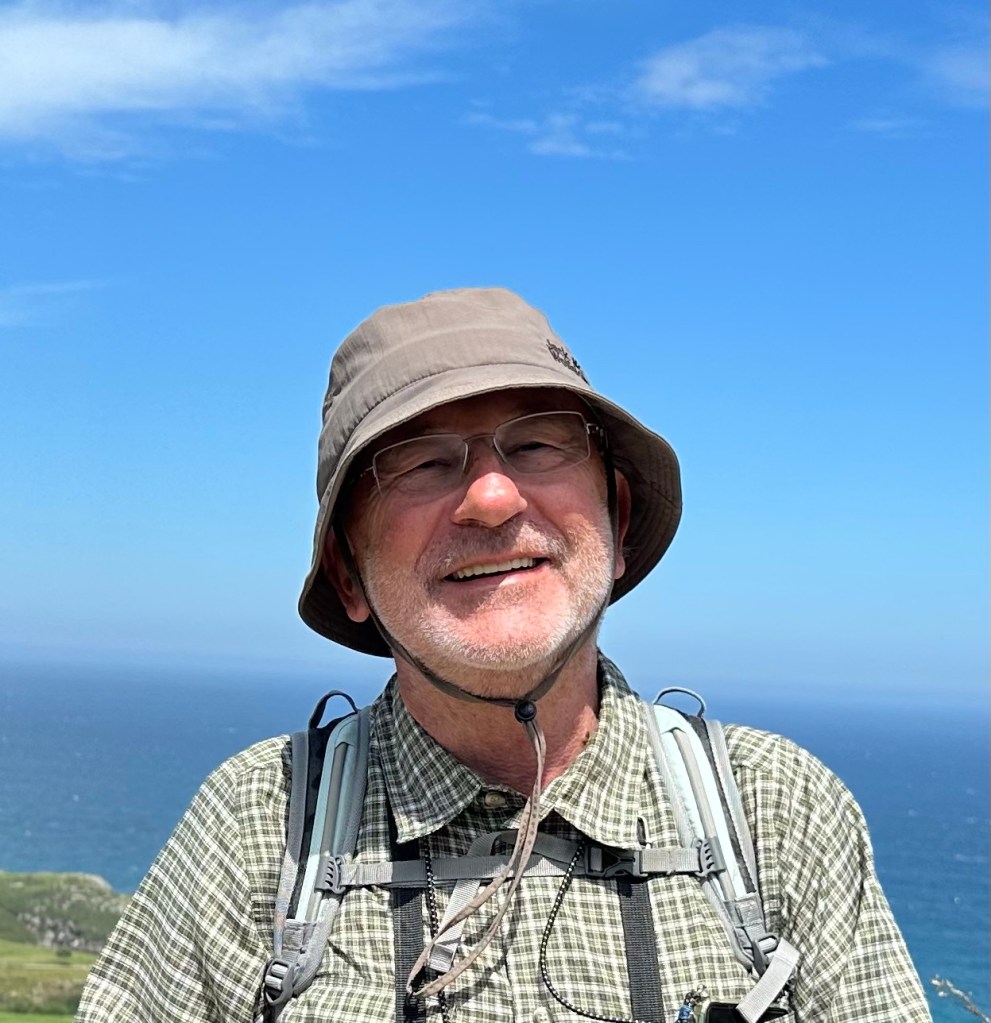
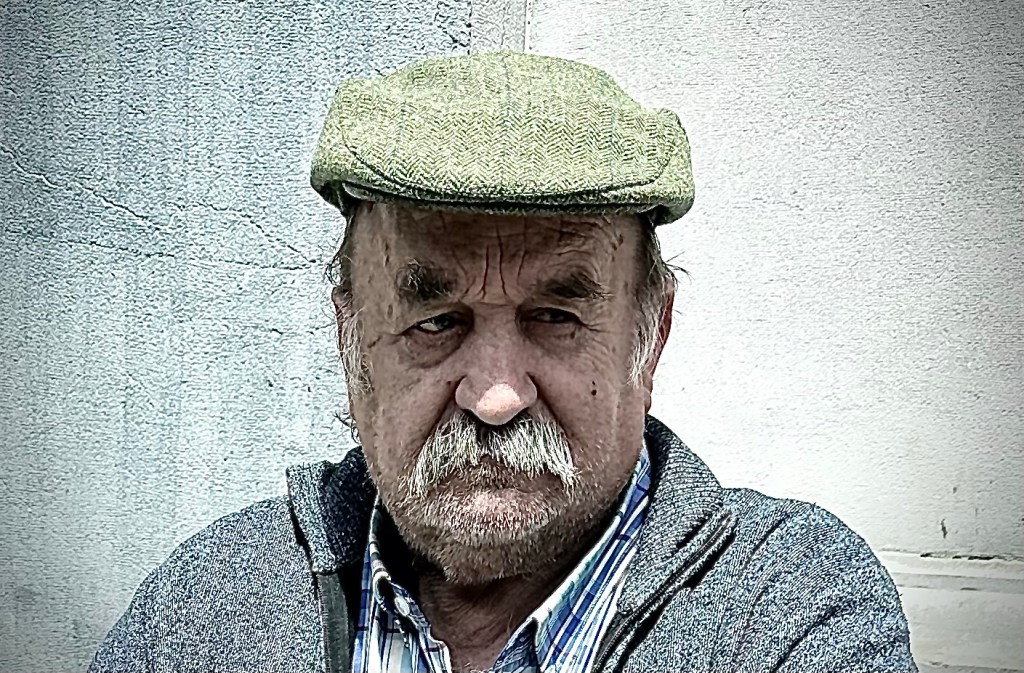
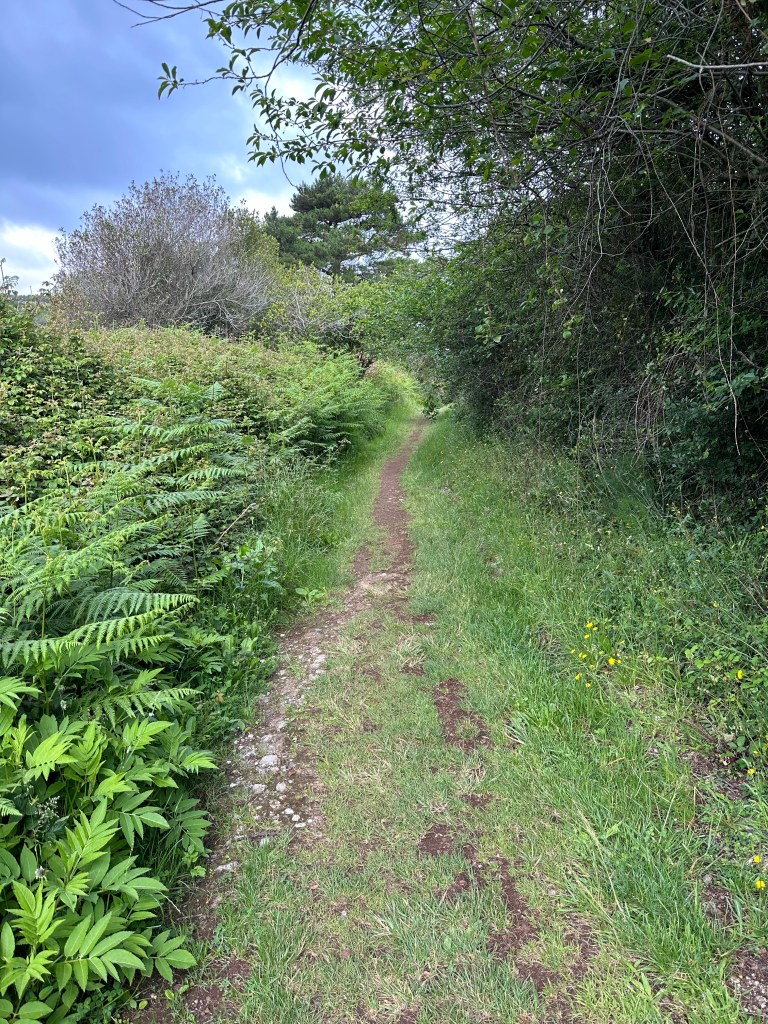
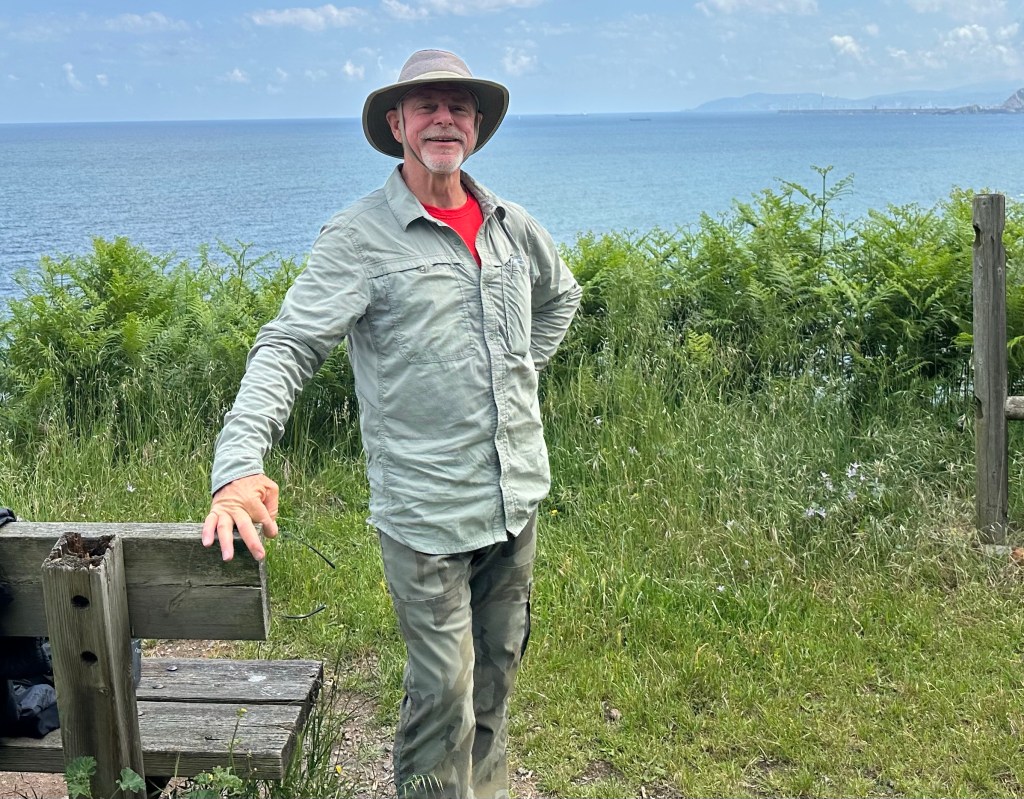
I arose at 6:30 and after a quick shower, began reorganizing my backpack and day bag. It takes a few days to get used to the new routine and I wanted to make sure that the items I would need throughout the day were easily accessible. This included placing my Hefty trash can liner which I use for mild rain protection at the top of my day bag. I also have a rain jacket in my day bag because the Norte is much wetter than the Francés, especially this time of year.
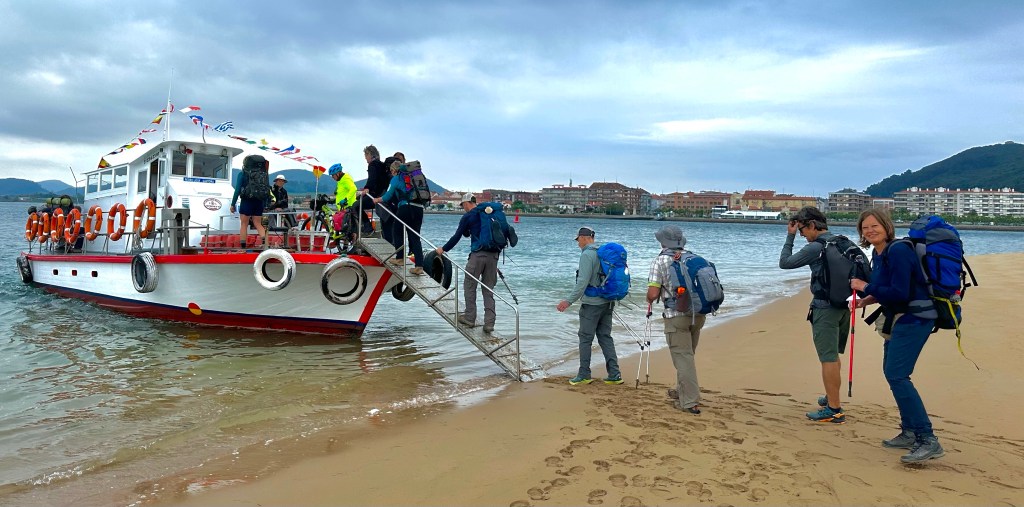
Pasaia port straddles a bay and I had to catch a ferry to get across. The ferry docked close to the hotel so it was a short walk to embark. The ferry is a small boat and although it was across the bay, the skipper puttered across when he saw me waiting. I had not collected any stamps in my pilgrim’s passport yet so I asked him if he had one. No, he didn’t. I asked him if he would write something in the block allocated to stamps and he agreed. As he did so, I decided I would not collect stamps on this journey but rather would ask ordinary people along the way to sign my passport.
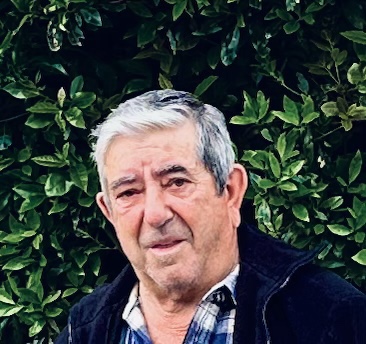
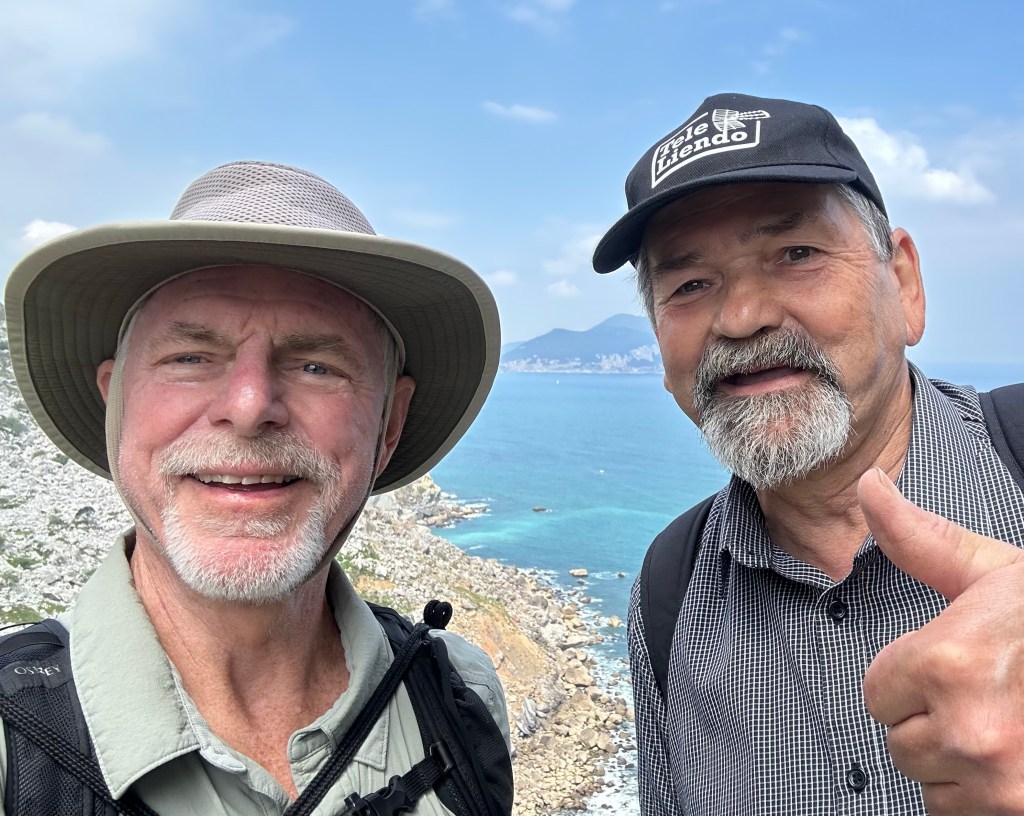
Capn’ Txacob, first to sign my “passport”.
Following the skipper’s directions, I headed down the dock to find the stairs leading over the hill to San Sebastián. “It is a little bit fuerte at first, but then it will level out,” he explained. I think it was fuerte the entire way! The trail was rugged and the rains had made it muddy and slippery. The rain caught me just as I arrived at San Sebastián and I ducked into a petrol station to wait out the worst of it. I had already donned Hefty and as I contemplated my raincoat, the rain began to subside. I dashed into a nice coffee shop and by the time I left the rain had stopped and I continued along my way. NOTE: Paula, Lisa and John: I think we hit San Sebastián at a much better time last year as far as weather goes! But the diehards were out surfing, paddling and kayaking in 58 degree rainy weather!
I got off the marked Camino in San Sebastián due to dodging raindrops but I knew the general direction and by the time I crossed town I was back on arrows. Pilgrims use a variety of methods to stay on the trail. Some just follow the arrows and other occasional signage. Some rely on guidebooks or maps on which they pre-plan their trip. And others use one of a variety of apps which, using GPS, keep you aware of where you are in relation to the Camino you wish to follow. I prefer the first method unless I am seeking out particular alternate routes, like the coastal routes for the Norte for which the apps (I use Buen Camino) come in handy. Regarding signage, particularly on the Camino of Life, sometimes there can be arrows every few feet; other times you might get anxious that you missed one and may have lost your way. You must trust your gut or your conscience.
Which way?
Yesterday and today I saw people running up and down the mountain trails. Possibly just to rub it in! It reminded me of when I lived in Caracas. I would hike to the crest of the Avila and then run down the trail. It was exhilarating even though I knew I was not doing my knees any favors. That, and some hard skiing in younger years, certainly contributed to two ACL reconstructions!
Cuidado con las rodillas, amigo!…y amigas!!
From San Sebastian I made it to Orio on muddy slippery trails. There was very little asphalt and the climbs and descents were very steep. Just before Orio, I stopped at a donativo run by the folks from Yellow Deli for a coffee and got my second “stamp”. Then I stopped in Orio for a cream-filled chocolate cookie – not really! But I did have a cafe con leche and a tortilla.
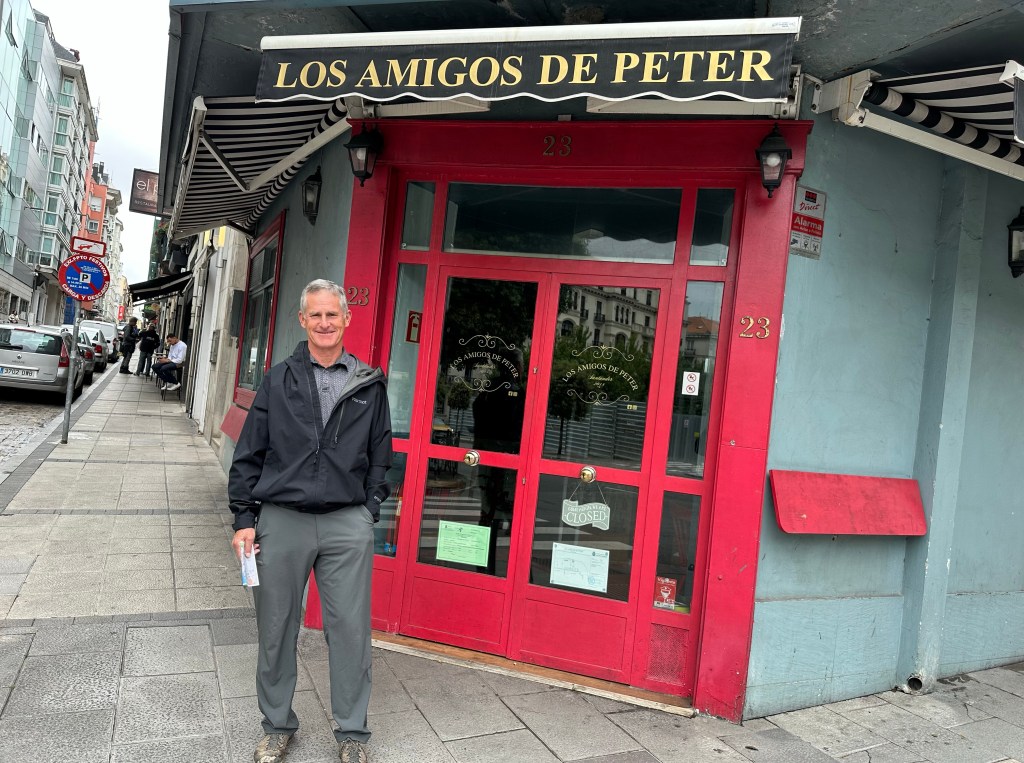
My destination was Zarautz and I finally arrived about 5:30. According to my health app, I walked 20.6 miles. And in Zarautz I finally met up with Peter Hartshorn, who had arrived in Irun the night before I did. We caught up with our adventures and made tentative plans for tomorrow, all depending on the rain report. Which I will recount in tomorrow’s write-up.
The Txikipolit, where Peter is staying has an excellent selection of Pintxos.
Day One was a very long day. It started on Thursday at 6 am in Houston and ended up on Friday at 6 pm in Pasaia at the Donibanea Hotel. I arrived at San Sebastián airport, which is actually located in Hondarribia, next to Irun, the Basque city next to France and the official start to the Camino de Santiago del Norte. I left the airport and asked a friendly soul where the Camino was. “Right there!” he said, pointing to a stone staircase adorned with yellow arrows across the street. He was quite proud that the local chapter of the Amigos of the Camino had installed plaques and painted arrows marking the way.
Stairway to Heaven
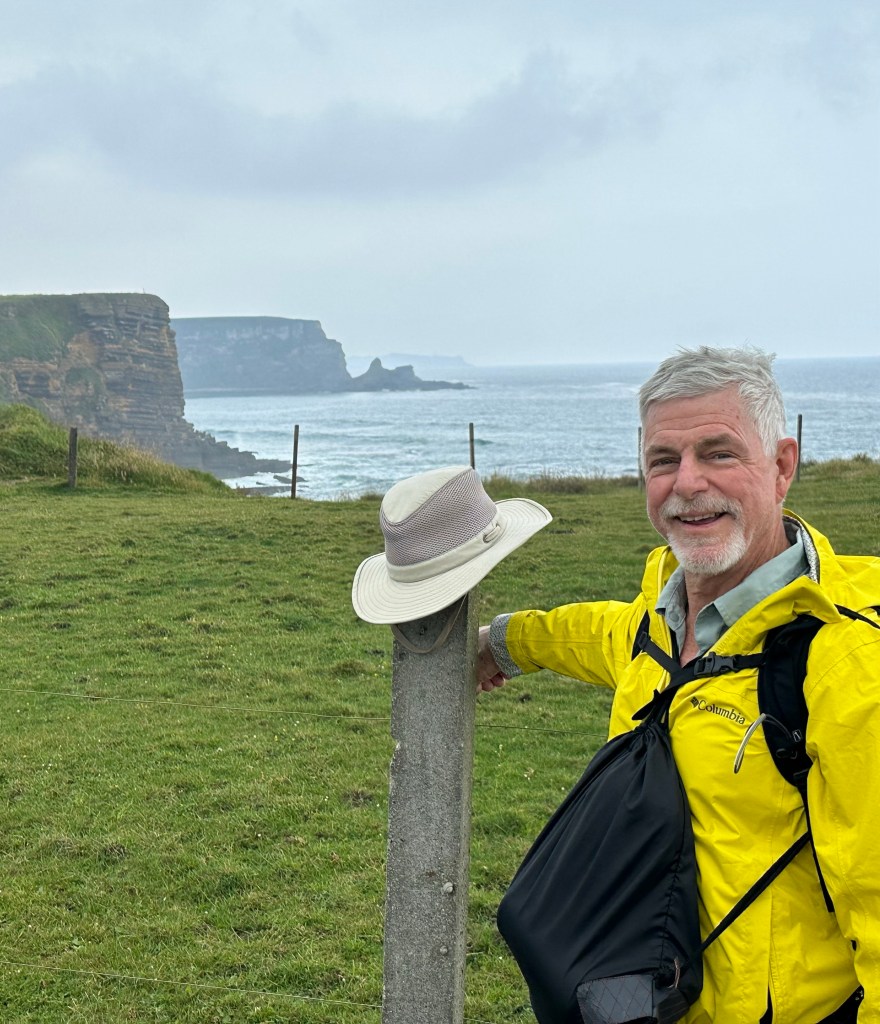
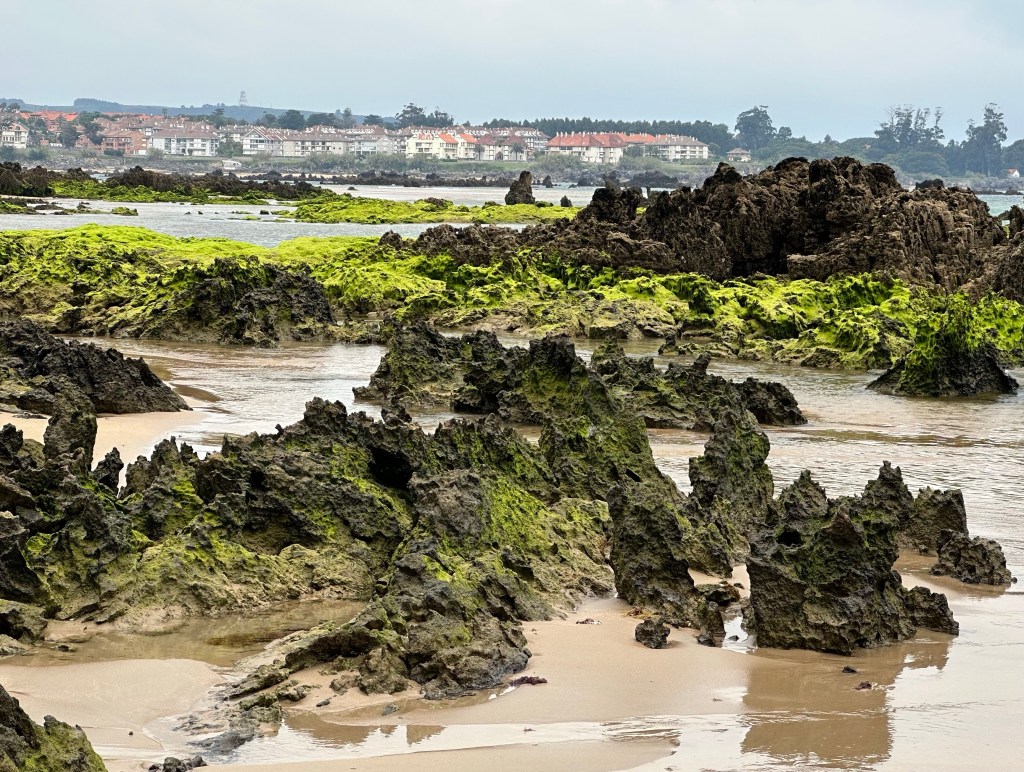
It was a demanding climb to the Sanctuary of Guadalupe and an even more strenuous climb after that to 547 meters (nearly 1800 feet) elevation above sea level where I began, and would later end the day. The path I took is known as the route of the towers on Jaizkibel mountain. These towers are mostly in ruins now but were important defensive structures built in the 19th century during the Carlist wars. I started in sunshine, but some offshore rain clouds caught up to me and I hiked in a light rain and strong wind until I began the descent into Pasaia when the sun returned.
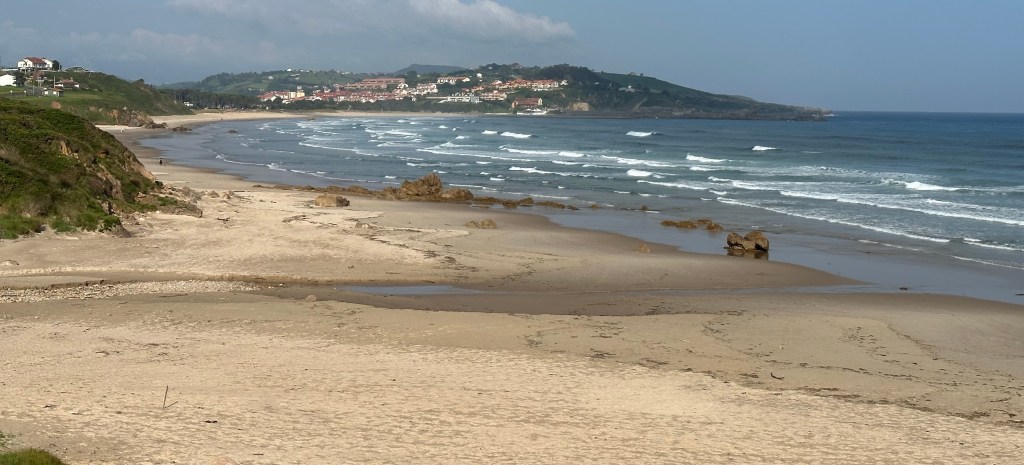
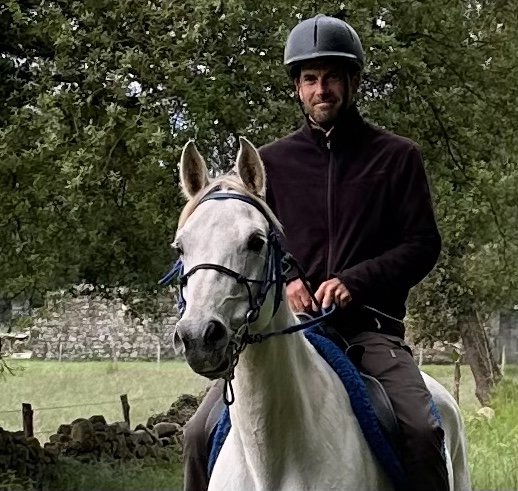
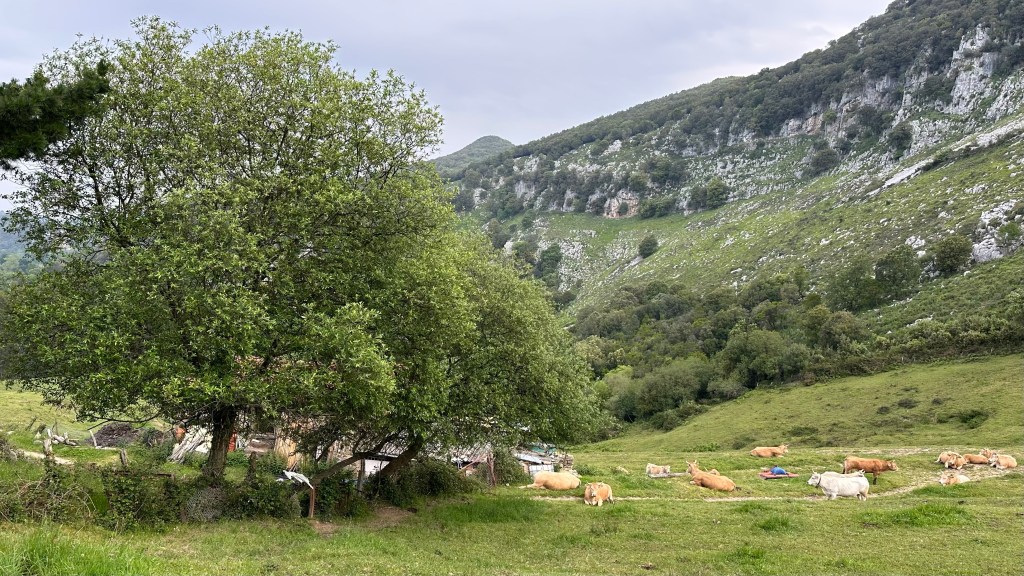
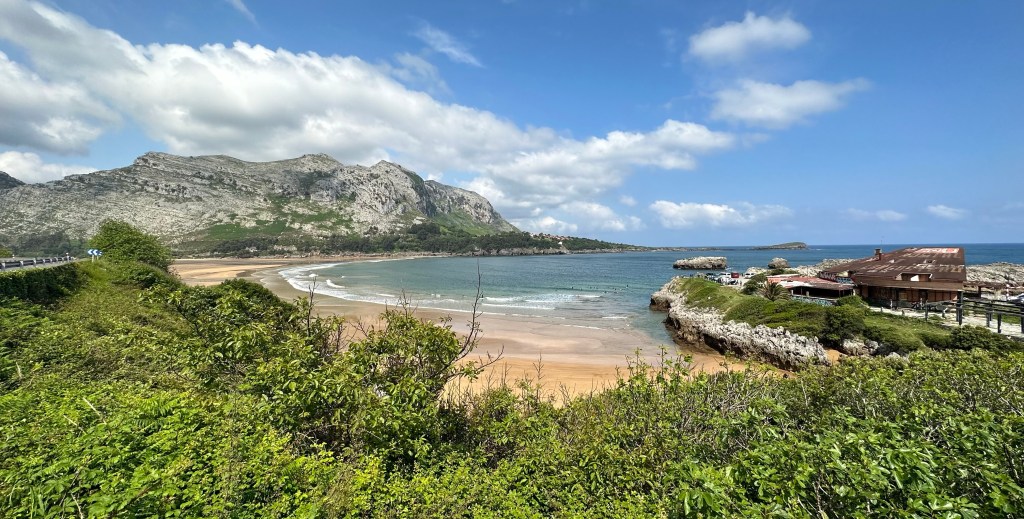
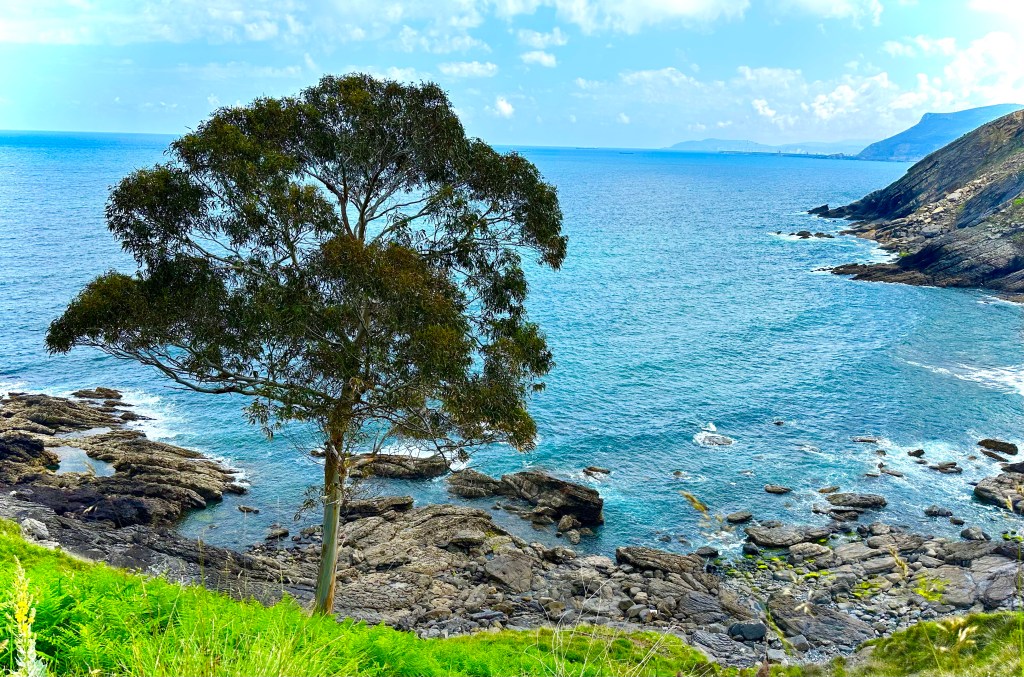
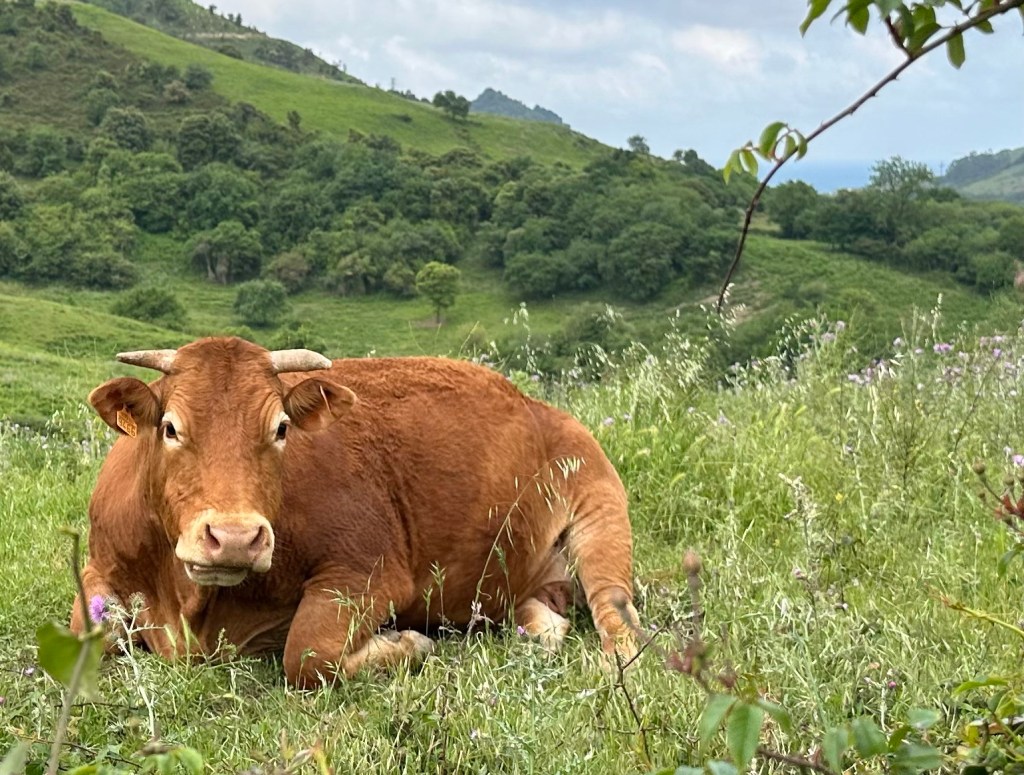
The views were fantastic. To the north was the Cantabrian Sea and to the south were the highland and Cantabrian mountains. There were horses, cows, goats and sheep grazing at the higher altitudes. The trail was muddy and wet, often just a puzzle through large rocks. It went up forever and descended forever!
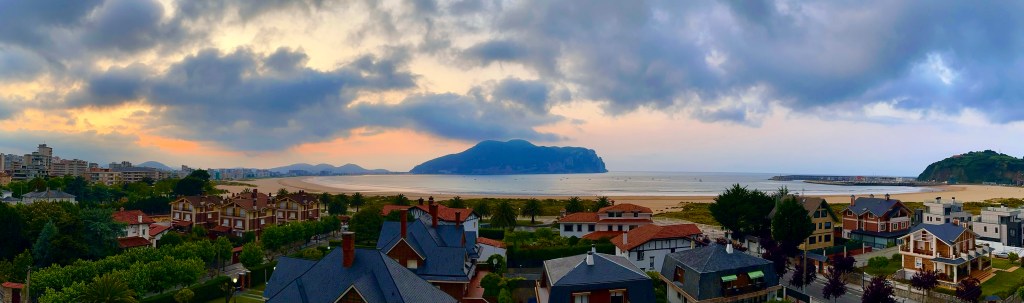
Pasaia is a small seaport town and fishing village. It is quiet compared to her busy sister San Sebastián, my first stop tomorrow. The hotel was opened last year and is quite clean and comfortable. It will be a wonderful place to rest my weary bones.
This is the trail!The video is a bit long but views were stunning. I am still panting from the climb!
Time is a funny thing, as I learned when I retired and discovered I had more “time” to really think about it. Time is as real as the Colorado River that I rafted down a couple weeks ago: flowing, everchanging, evermoving, yet ungraspable. With help from the gods of the world we are born into, we divide time into days and months and years. But how real is time? The past exists in my memories and the future in my imagination. The present escapes as soon as I attempt to lay my hands on it. I close my eyes. I sense a heart beat, and a I take a deep breath; I contemplate eternity. I become conscious of my own consciousness. I begin to experience silence where there is sound and brightness where there is no light.
And then the Camino calls! I remind myself not to get too excited. The sooner it begins, I rationalize, the sooner it will end. But that is not the way of time. It is like the river, meandering here and rushing there, spreading out forever until it is reborn.
When I wrote the last post about a month ago, it was on the eve of arriving in Santiago de Compostela. A couple days ago, I sat down and read through all my posts, with a map at my side to help remember the routes and villages I visited. I went through my photos to jog my memory of the people and chapels and albergues and other places I had come across. While reminiscing, I sometimes found myself deep in thought remembering an incident along the Camino or chuckling to myself as some forgotten event was unexpectedly recalled. It is sometimes difficult to believe that I actually undertook the pilgrimage and walked across the north of Spain. Did it really happen, or was it all a dream?
Paula can vouch that I did arrive in Santiago. At 10:30 am on October 11, as Lisa and I made our final approach into the Plaza del Obradoiro, the square in front of the Cathedral, we saw Paula and John waving us in. It was quite an emotional moment as you might expect. After many hugs and kisses all around, interrupted by compliments and congratulations, we found a spot in the square directly on front of the Cathedral to sit down on the cobblestones. John popped the cork on a bottle of Veuve Clicquot as Paula arranged four flutes in a row. We toasted ourselves and watched as pilgrims filled the square. After draining the bottle, we went down to the Pilgrim’s office which Paula and John had reconnoitered the day before and Lisa and I received our Compostela, or certificate of completion of the Camino. Then we headed back to the plaza for a second celebratory bottle of champagne.
We checked into the Parador de Santiago which is located on the north side of the Plaza del Obradoiro, next to the Cathedral. The Paradores de España are a collection of about 100 state-owned hotels, established in 1910 to promote tourism. Normally, “government run hotel” is a phrase which would send most tourists running in the opposite direction. However, the paradores are considered luxury hotels, often located in old castles, monasteries or other buildings with historical significance. The Parador of Santiago, built 100 years after Columbus’ voyages of discovery, began as a hospital and refuge for weary pilgrims. In 1953, it was renovated and joined the parador network. It certainly worked for us for the two nights we spent in Santiago. That afternoon, we reconvened at the hotel bar to plan the next steps of our adventure.
For whatever reasons, we did not make it to the pilgrim’s mass the day we arrived so we made sure to go the following day, October 12, which celebrates the Virgin of the Pillar, when Mary appeared to St James as he was preaching the gospel in Spain in 40 AD. The mass was a much more elaborate ceremony than those delivered in the churches of the small villages along the Way, but the message of the pilgrim’s blessing was the same: Lord, be my companion on this journey, give me strength when I am weary, shine light where there is darkness, console me when I am dejected and guide me at the intersections. Or words to that effect. And usually the priest will ask us to remember these supplications as we return to our normal lives, our Camino of Life. This final observation took on a special urgency with the realization that this was the last blessing of my journey. In a long moment of silence, I reflected on my pilgrimage, the many wonders revealed, and on the significance of the day. I am not a particularly religious or spiritual or meditative person. But I felt a confluence of these three pillars of the soul, and acknowledged that my pilgrimage had been a good one and now was a good time to move on. Ultreia et suseia , as they say on the Way. Onward and upward!
And thus ended my Camino. But of course, the Camino never ends. It simply enters a new stage. And for Lisa, John, Paula and me, the next stage was a drive through Spain ending with a week in Madrid. What follows is a quick glimpse of that trip, which always was a part of the pilgrimage.
After Santiago, Paula and I took a bus to Porto and had a great time just being together. We wandered the streets and the riverfront, tasted port, took the metro to a coastal fishing village for a sumptuous seafood meal with a bottle of waiter-recommended vinho verde for esophageal transit assistance, met with a pilgrim couple I knew for a chicken piri piri dinner, enjoyed those tasty little cream tarts, and pretty much stayed occupied even though we had no plans. John and Lisa rented a car and drove north to Finisterre and Muxia. A couple days later, we met up again and began our driving trip across the north of Spain, reversing the direction Lisa and I had travelled.
We drove with determination to escape the rainstorms that were to batter the northwest coast for the next several weeks. We ended up that evening in Gijon, where we found another parador (although this one without much of a parking lot!), wandered down the long promenade by the sea only to find out we had passed by all the eating establishments, and returned to select – by luck – a fine place for dinner.
The next day we drove though the Picos de Europa, three limestone massifs that thrust upward within the Cantabrian mountain range, offering stunning views of rugged peaks, alpine valleys and narrow gorges cut by rivers rushing about searching for lower ground. After a fine lunch of fabada asturiana and roasted goat, John expertly drove us along the winding mountain roads back to the coast where we stayed at yet another parador in Santillana del Mar, this one with ample parking. In the morning, we found a coffee bar frequented by peregrinos – Santillana del Mar is located along the Camino del Norte.
Our next jaunt would take us to Haro, a town in the middle of Rioja Alta country and home to many fine wineries, including that of Ramon Bilbao. This Rioja wine had become our go to red wine and it seemed only right that we visit it’s birthplace and take what turned out to be a most interesting and informative tour. Don and Erin will remember Haro and the “herradura”, the horseshoe shaped street through the old town lined with bars and restaurants.
After a relatively leisurely drive back to the coast, we came to San Sebastián, whose famous pintxos we had been looking forward to eating since leaving Santiago. John’s driving skills were put to the test again as our hotel was located in the “pedestrian only” section of town. Our quest was to find the best pintxo bar in town and after checking out a half dozen or so found that the number one spot was right across from our hotel!
The following day we drove south to Madrid, checked into our Airbnb and dropped off the rental car. Paula and I always start our Madrid stays with a visit to Bodega Santa Cecilia, to try out the latest wine recommendations, and soon we were there with John and Lisa. We were quickly joined by Paula and Juan Miguel. By day, we visited museums and stadiums and took a train to Segovia to eat cochinillo and cordero, joined in this last venture by Linda Belonje, a true friend from Bangkok rugby days. By night, the six of us went to a flamenco show and a zarzuela, or light-hearted Spanish opera. On our last day, we ate heartily at Sagardi, a restaurant serving Galician fare. Appropriately, we included a chuletón of rubia gallega. And, at some point near the end of the meal, we raised our glasses and toasted each other, thankful for a wonderful visit and hopeful of returning again.
Two peregrinos entering the Plaza del Obradoiro. They became famous along the Way as the couple who were not married to each other, but were going to meet their spouses in Santiago. The reunion! All great achievements should be celebrated with champagne!Here, in a crypt inside the Catedral de Santiago, lie the earthly remains of St. James the Apostle. Pilgrims have walked from all over Europe to this place for over one thousand years. Today, there are basically two groupings of people along the trail. The first are the younger people, who are generally not married and certainly have no children or demanding jobs to preoccupy them. The other group are the older people whose children have grown up and who are very likely to be retired. There is not much in between, unless they are doing a very much shortened version of the Camino. The younger group are less spiritual in their reasons for doing the Camino, but many are looking for themselves or what to do with their lives. The older people are more likely to be spiritual or reflective on the trail, having already done something with their lives. The big difference is time. Young people have it in such abundance, they often spend it frivolously. Older people find it such a precious commodity that they do not want to waste a bit of it. We can learn from each other. After Santiago, John and Lisa and Paula and I drove eastward along the north coast of Spain. In Gijon, we tried a couple of ciders. They are poured so as to aerate the drink and give it a fresh taste. The Navarese ciders are not sweet like many ciders in US market and is a bit of an acquired taste. Unfortunately we did not have the time to acquire it. The Picos de Europa are magnificent and we had great weather and clear skies to appreciate their immense beauty. The Camino Vadiniense links the Norte and the Frances, traversing 200 km through the Picos, making it one of the toughest routes. Anybody?At our friend’s house. Behind us are some French oak barrels and some American oak barrels used to demonstrate the difference in taste of wine depending on what wood they are exposed to. French oak is more tightly grained and less dense than American oak. Each one imparts different flavors, French being subtler with more tannins and American spicier and more aromatic. Ramon Bilbao rioja wines are aged only in American oak. Although there are many other factors involved in wine-making, Ramon Bilbao was our favorite crianza.Turistas at the Alcazar in Segovia, a medieval castle built during the Moorish Almoravid dynasty in the 11th C on the ruins of an old Roman fort and later was a royal palace for Spanish monarchs. It also served as a prison, a military academy and today is a museum. Time for orujo!
So there you have it: it was a dream after all! I want to thank all of you for the kind words of encouragement before, during and since I walked the Way of St James and I wish you Buen Camino on your journey.
Let’s start with yesterday: Lisa and I walked from Palas de Rei to Arzua, vía Melide, a town well known for its pulperías, or octopus restaurants. Pulpo Gallego is a popular dish throughout Spain. The octopus is boiled until firm but tender and then spiced with paprika and coarse salt and drizzled with olive oil. Served with a cold albariño wine, it really makes for a fine meal. I know that since Soul of an Octopus and My Octopus Teacher, some people have become very queasy about eating such an intelligent creature and prefer beef from dumb cows.
Melide is only halfway to Arzua and if we stopped to eat, pulpo or carne, it would have been a long day. And this was already going to be a 15+ mile day. So, at 2:30, we arrived hungry at the Alberge Santiago Apostal in Arzua and began a search for restaurants. We tried two recommended places, Casa Chelo and Casa Nene, but they told us it was “Impossible!” Other places were also full or closed on Sundays. However, as we went to our rooms for a shower and rest, we walked by a first class parilla, or grill, and the chef was throwing on ribs and veal steaks. Lisa and I looked at each other: “then here, said I, with a sudden cry, is our crematorium!”
Later we were feasting on churrasco, a variety of grilled meats and sausage, accompanied by our friend from Rioja, Ramon Bilbao. Pilgrims need their protein! And wine! After a not so good cafe con brandy, we figured we better make up for that with a round or two of orujo hierbas. After the long walk and the big meal and the digestifs, I did not feel the clarity of mind to write and post the days thoughts and events.
And that brings me to today. This is day 33 on the Camino. Tomorrow, Lisa and I march into Santiago. It will be a day of fulfillment, the end of a 500 mile journey over an ancient path along which have travelled the multitudes seeking revelation, repentance, release or, recently, recreation. In a very real sense, then, today is the last day on the Camino, the last time I check into a new hotel or albergue for the night; the last arrival beer and meeting up with other pilgrims to discuss the day; the last night of sleeping alone.
The Camino brought me to a lovely rural hotel for my final night. The room is comfortable with a clean bed and hot shower. Outside, I can hear traffic, but most of it is farm equipment, a bit noisy but so appropriate to the setting. And the hotel restaurant is one of those surprising finds where the food is finely prepared, proudly served, delicious to eat and with a great wine selection.
It will take a few months to assimilate this experience, but for now I reminisce: pastor Michael’s blessing in which he prayed to God to open doors for me, the long trip just to get to St. Jean Pied de Port, the beauty of the Pyrenees, the peaceful quiet of ancient stone chapels, the camaraderie of the caminantes, the dark early morning departures, Roca Rey, the solace of long lonely walks, the luthier’s workshop – and the luthier!; the sore feet – and the physiotherapist!; the alternative routes experienced by few; the Gallegos who allowed me to take their picture (and those who refused); today’s lunch; and so much more.
There are many things I wanted to talk about to give you a feel for the Camino which I either forgot or figured the day’s post was getting too long. Like how to figure where to stay or the the ins and outs of the Pilgrim’s menu. I did not play Wordle or do crossword puzzles or watch TV. I seldom checked the news (except to follow the war in Ukraine) or stock market or sports. I sang the same three songs out loud when I was walking alone. These are the topics of discussion over a beer sometime in the future. Sometime after I have walked into Santiago. Tomorrow.
Meeting friendsOpening doorsCrossing streamsMy Way
Today was a very utilitarian day. I walked from Portomarin to Palas de Rei. I had a coffee here and a coffee there, none too good, but each good enough to take the time to drink. Arriving in Palas de Rei, I did my laundry. I met up with Lisa and we had a meal at Arenas.
And then an interesting thing happened. We had a discussion about what we had learned on this journey. We talked for an hour or so, with one revelation leading to another. Being a discussion between pilgrims, I cannot take it much further in this forum.
I saw someone wearing a mask today and it reminded me that I wanted to mention the issue of health, other than sore muscles or blisters. On the first day, a medevac chopper rescued a person, but there is not much information about the victim other than he or she was on another trail. There have been a few cases of Covid along the Camino. I know few of the details but I have heard of three cases. A few people I know of have caught colds or suffered allergies. There was one death of a pilgrim, apparent heart attack that I think I mentioned (Lisa witnessed the Guardia Civil managing the case). But most of us have survived and, God willing, will march into Santiago in a couple days.
I walked past the Iglesia Santa Marina as it’s bells rang out 8:00 am. Today was a very foggy and misty day, as it was meant to be. The fog did not lift until I passed the 100 kilometer marker.
You know that today was going to be different. Let me list a few things I noticed for the first time on the Camino: much bigger groups, but admittedly not as many people as I thought, including school kids and bus tours; the bars had souvenir shops attached, with plenty of shoppers; people asking for money; actual taxi cabs parked at crossroads instead of a sticker with taxi phone numbers; and what I would call sticker frenzy.
But it was still a wonderful day. I stopped for my breakfast and chatted with another pilgrim from Korea who had started a few days after me. We commented on the “newbies”, and noted they were not much different than ourselves in the early days. Another long-time peregrino from Andalucía called these new folks the turigrinos or casacompostelanos. This was number 7 for him, so he has earned the right to call the rest of us whatever he wants. He is a man of a thousand stories. He told me that no one understands how unburdened he feels when he hoists his backpack on.
The fog did not lift until I reached the Camino marker indicating I had 100.000 km to go. This Gallego has seen many a pilgrim go by. Probably wonders what the fuss is all about. The old and the new. Antonio has been from Lisboa to Fatima to Lourdes to Rome and is now making his was to Santiago. His cart can be seen behind Maggie. Maggie started with Lisa and me in St Jean. She puts strands of tinsel in people’s hair. Her goal is to adorn 100 heads by the time she reaches Santiago. Mine was number 77.
By the way, I have selected my Camino anthem. It would not have been appropriate until after Sarria. I have not really listened to any music while walking. It seemed like such a distraction. But today I played my anthem and it actually brought a tear of joy to my eye!
I did not fall asleep easily last night. An unusual feeling numbed me and I could not understand what was it’s cause. Confused thoughts rambled through my mind. Had I come this far only to somehow not finish the walk? Was I in some limbo from which there was no escape? Would I never wake up if I did manage to fall asleep? Had I eaten something at dinner to befuddle my brain?
Tonight I understand what troubled me. Last night was my last night on a Camino that I had become familiar with. Today I walked into Sarria and my world has changed, as though suddenly the sky turned green and changed the color of everything.
In Sarria begins the final 100 kilometer March to Santiago. Many pilgrims start their journey in Sarria and complete their Camino in 5 or 6 days. New and strange faces have appeared. Conversations are different. I went to the pilgrim’s mass and the priest did not show up. Strange turns of events! The sky is green.
Sarria marks the start of my journey back to the “real world”. My life as a pilgrim, as short and sweet as it was, will soon be over. The pilgrim does not want to return to that world he has escaped, but has no choice. It is like birth. But it is also a rebirth: an awakening from an odyssey of self-examination with the realization that every tiny learning was a gift. And so, the trek from here onwards is just as important as any other stage of the Camino.
Let me mention the Camino family. From the first day, you begin meeting people. All kinds of people: single, pairs, flocks, young, old, men, women, people who talk too much, people who teach you, people who make you laugh and on and on. Some of these people you see over and over, in the towns, in the hostels, mostly walking the trail. Others have a quick pace and disappear into the distance; some are slower and you wonder what became of them; some drop out for various reasons. But as you reach the end, you have an idea of who your Camino family is. Some may be a day or two ahead or behind in reaching Santiago, but you have come to know them. Yet as close as your friendship may have developed, you realize that at the end, all go different ways to different lives. Yet we share a common bond.
And now I begin to yearn for my own family. The family that cheered me on in this quixotic quest. Paula leaves the States for Madrid today and I cannot wait to be with her. There is so much more to share with her, slowly, over time. And with JP and Jen, Jack and Michael. And the whole gang!
And Paula and I will be creating new shared experiences as we travel Spain with Lisa and John and visit with Paula and Juan Miguel in Madrid. But now it is time for this pilgrim to go to bed. I don’t think I will have any trouble sleeping tonight.
EPILOG from previous post: Tizona
I found it difficult to lay down Tizona. I imagined she would come in handy if I met up with a mad innkeeper. Or his daughter! However, I realized Tizona has accomplished her purpose with me and must be returned to the Camino. Somewhere between Herrerias and La Faba, Tizona rests with a couple of rocks forming an arrowhead, faithfully pointing pilgrim’s in the direction of Santiago.
I did not set the alarm last night and I woke at 6:30. I rolled over and slept for another hour. The previous day had taken its toll, but now I was ready to set off again.
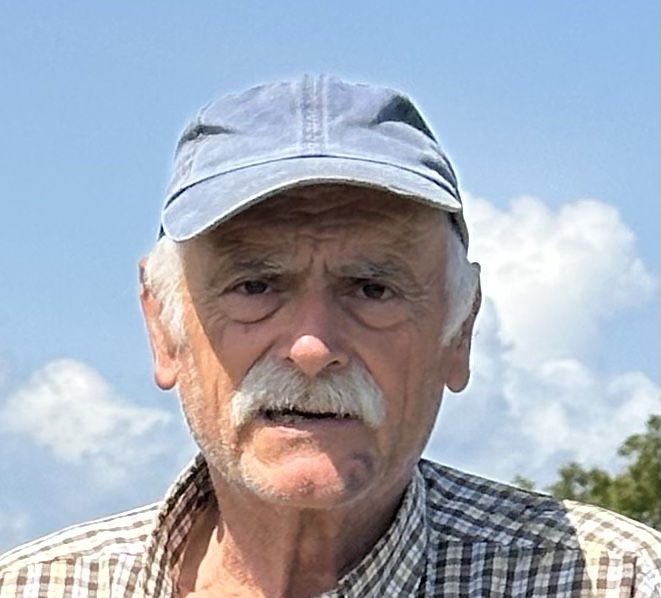
Last night, the innkeeper, Isidro, told me I should stay for breakfast, so I broke with my routine and had a coffee and homemade cake before setting off. I realized that the innkeepers and barkeeps along the road are an integral part of the Camino. Most of them are truly friendly and do their best to make your journey special. That is the way Isidro is. He takes care of every pilgrim that comes his way, whether they are staying the night or just having a drink or bite to eat. Shortly after leaving Laguna del Castillo (and I never did see a laguna or a castillo) I left Leon and entered Galicia. This was to be one of the best days I have had on the CaminoAs I entered Galicia, the Celtic spirits within my soul began to pulse and flutter. Strange but friendly sounds emerged from the woods. This little red-breasted bird hopped alongside of me, welcoming me to its home. I was filled with a sense of home-coming. I am normally an overly-rational person, but this inner sense of belonging seemed very natural. It has been with me all day and persists this evening. I took more photos today than any other day but they do not capture the color and depth of being here. I edited this picture to try to recreate what I saw. The panoramas were breathtaking at every turn, but impossible to capture.Maybe a video will convey it better. And this is cow country, by the way. An amazing old chestnut tree.An amazing old man. Who can say we are not related in time and space and spirit?
There are three routes out of Villafranca del Bierzo. There is the main route, along the main highway, although from all accounts it is quiet, and it is the shortest. The second route goes to the right and offers a bit a scenery as it runs along the hills to the north. The third route is called the Dragonte and ascends and descends three steep mountains before ending up at Herrerias, 26 km (16m) away. It includes 1500 meters (nearly 5000’) of ascent and almost as much descent. I read that the trails were poorly marked, there were no services along the way and that less than 1% of pilgrims take the Ruta Dragonte. I was in!
The day before, as I was approaching Villafranca del Bierzo, I noticed a wooden hilt protruding from the ground. As I extricated it from the earth, drawing it out like Excalibur, I realized the Camino was offering me a gift. It fit my hand perfectly and was the perfect length for a staff. I did not realize why I needed this pole, but trusting in the Camino, I accepted it, knocked off the thorns with a rock, gave it the name Tizona and took it with me. The next morning, as I left Las Doñas, it leapt into my hand to make sure it was not left behind.
I left Villafranca early and the sun was coming up as I passed Dragonte, about 6 kilometers out of town. It was on a hardtop road, but not a single car went by me. I looked into the darkness and imagined the “little people” who lived there and took note of other dark forms to ensure they were not menacing or following me. I felt secure with Tizona at my side. A couple kilometers past Dragonte and I left the road for a dirt path but now the sun was shining bright and the temperature rising. I reached the top of the first peak about 4 km past Dragonte. I had by now seen one or two vehicles, but no people. I did see a couple cows who seemed to be surprised at encountering a pilgrim.
I made my descent to the next village of Moral de Valcárce (named after the valley). These were not really villages but collections of houses owned by farmers, or in such disrepair they were uninhabited. As I entered Moral, a couple of large dogs protested. I don’t mind when a dog barks or growls, but when they start baring their teeth, I get a bit worried. I thrusted at them with Tizona, not in an aggressive way but making them think twice before they made a killer lunge at my leg. They circled around behind me as a third dog appeared blocking my way. A voice shouted from somewhere and the dogs backed off a bit, long enough for me to make my escape. However, watching from a safe distance, was a smaller dog, and as I walked by him he decided to be my companion. I could not lose him. Presently a farmer in a tractor came along – my first human encounter. “There is a dog following you!” he said. “I know, I can’t get rid of him!”. We devised a plan. I struck the ground in front of the pup, breaking Tizona in half. That was not part of the plan, but I improvised and threw the broken-off limb at the dog. The farmer took over, herding the pup home. “Venga! Venga!” críed the farmer.
I descended to the valley, very much exhibiting its Middle Earth heritage. Sometimes streams would cross the path. Sometimes the stream was the path. Sometimes there was no path.
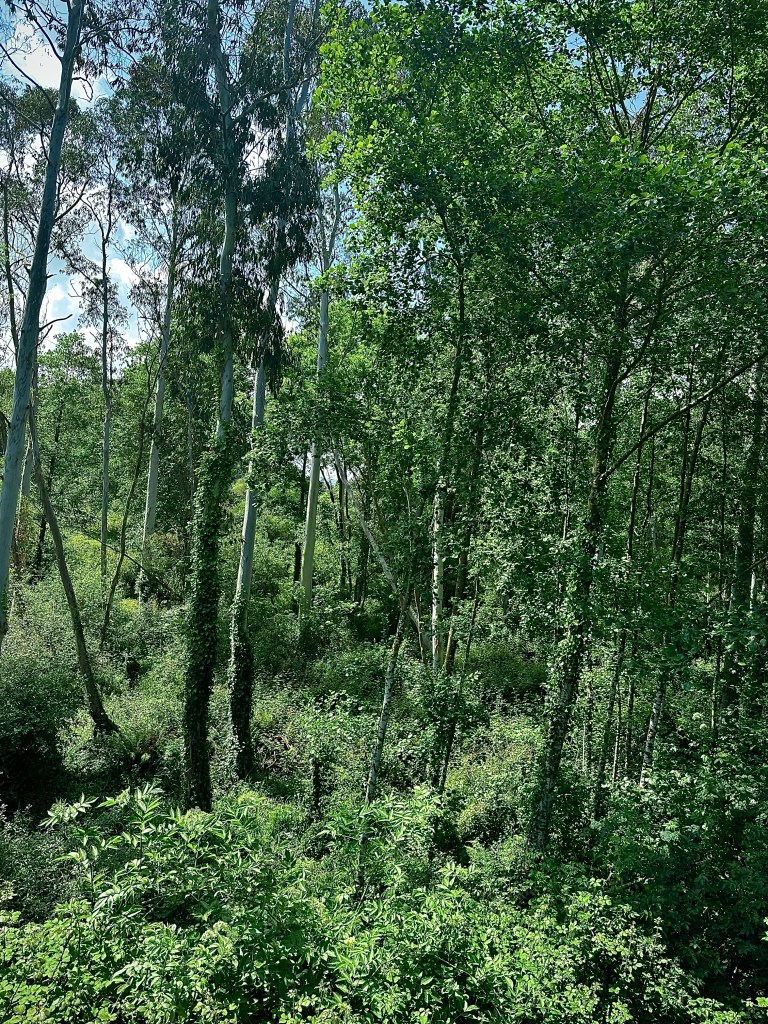
I found my way out of Mirkwood with its weird trees, some with ancient misshapen trunks burnt by long ago fires or hollowed out by some disease, but still supporting huge leafy branches. There were lots of chestnut trees, their spiny fruits looking like yellow-green rambutans. And on I went, making my way up to the second peak, and back down into the next valley.
I passed this happy couple who stopped their tractor to shake my hand and wish me “Buen Camino”.After 5 hours without a break, or even a cup of coffee, I stopped by a small stream crossing the path, took my shoes off and cooled my feet. It was hard to get up and go. …et suseia!
I arrived in Herrería about 2:30 and still had 3.5 miles to go. I reached my destination, Albergue La Escuela. just after 4 pm. My longest day on the Camino, but it was ever so satisfying, and came at a good time, before the final run into Santiago. The views and experiences along the Ruta Dragonte were unforgettable. The last section to my alberge complemented the Ruta Dragonte: steep ascent in mostly tree lined path, but a smoother trail, thankfully.